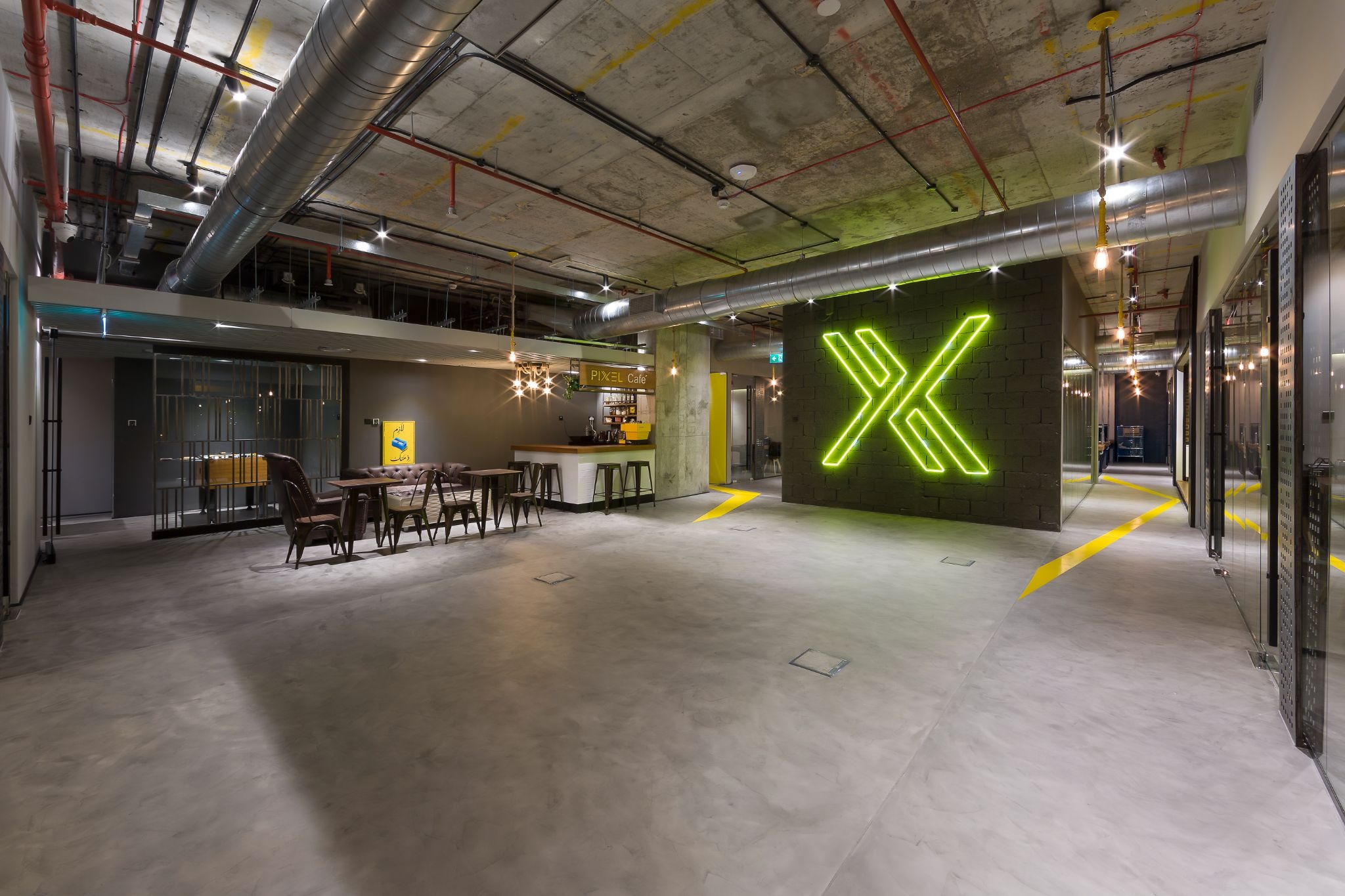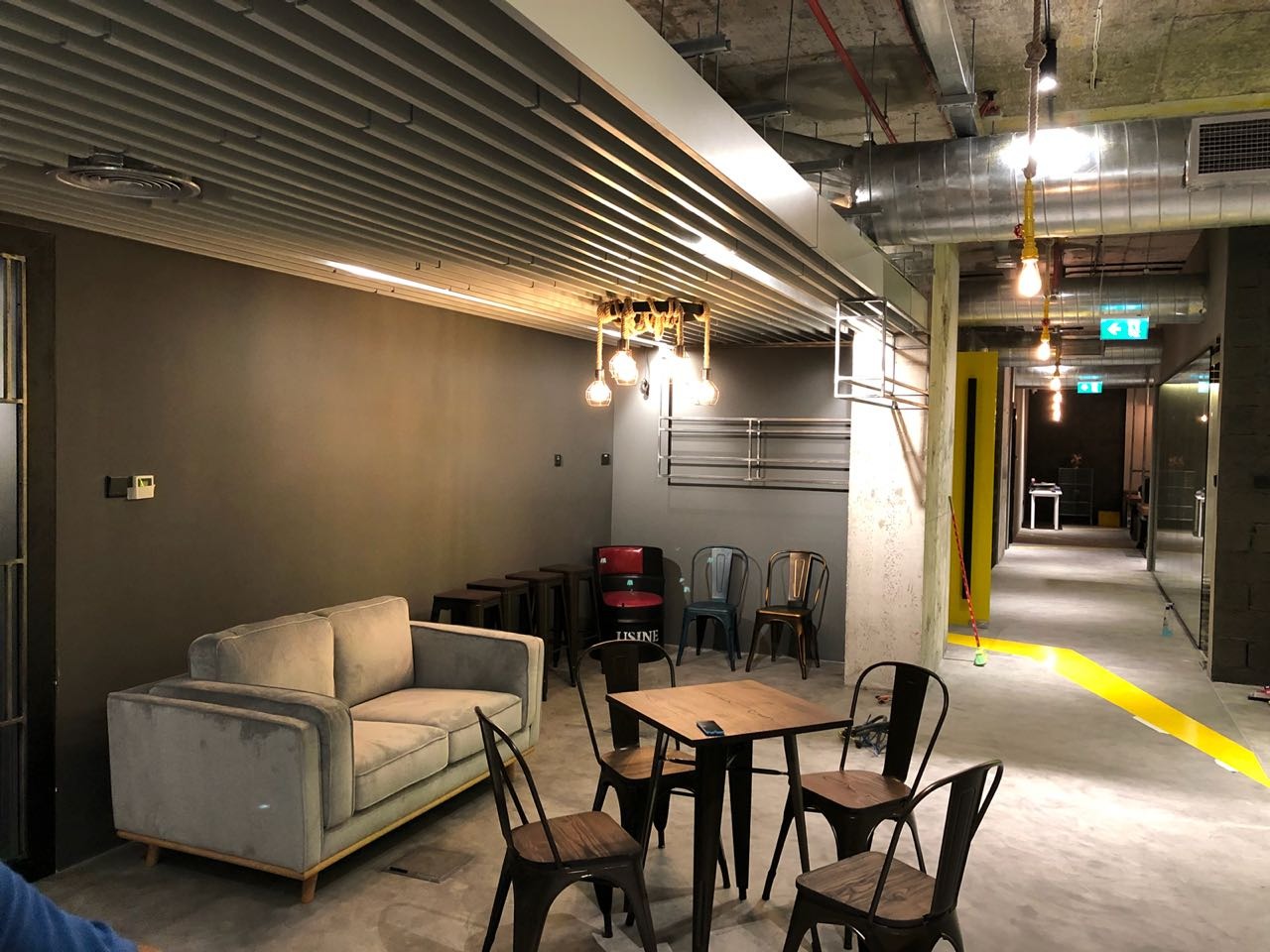

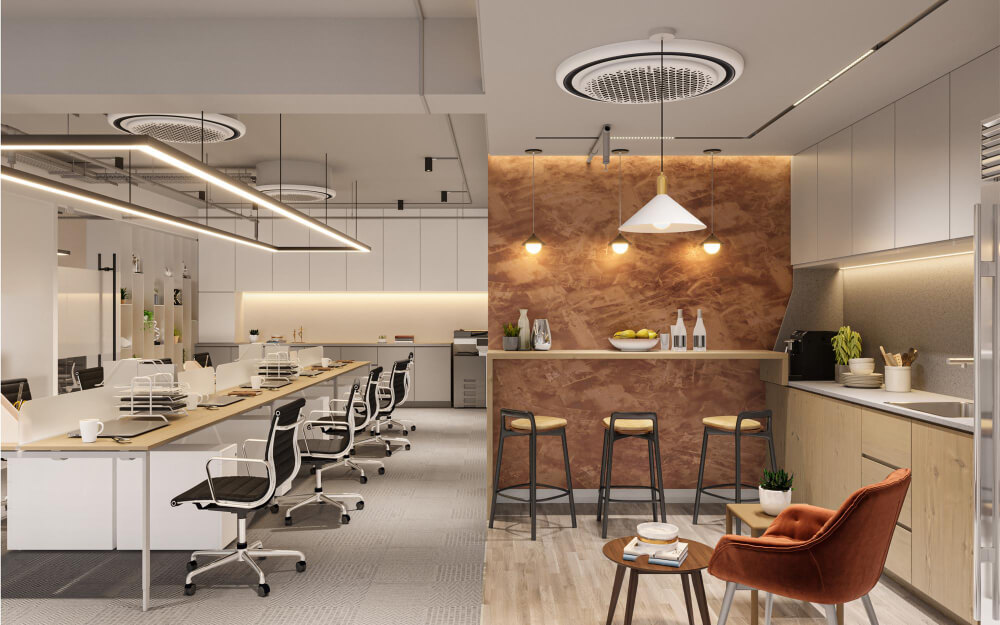
Commercial interior design plays a far greater role than visual appeal alone. For businesses, interior spaces directly influence productivity, customer experience, brand perception, and operational efficiency. Whether it is a retail outlet, corporate office, hospitality venue, or fitness facility, the way a space is designed affects how people interact, move, and perform within it. This is why commercial interior design should always be approached as a strategic business decision rather than a purely aesthetic exercise.
A well-designed commercial space supports workflow and functionality. Poor layouts, inefficient circulation, and misplaced zones can slow operations and create friction for staff and visitors alike. Thoughtful space planning ensures that every square metre serves a purpose. Work zones are optimised, customer pathways are intuitive, and service areas function smoothly behind the scenes. When design aligns with operations, businesses benefit from improved efficiency and reduced long-term costs.
Brand identity is another critical factor influenced by commercial interiors. Physical spaces communicate a brand’s values long before a conversation begins. Materials, lighting, colour palettes, and spatial proportions all contribute to how a brand is perceived. A premium retail space signals quality and trust. A well-organised office reflects professionalism and clarity. Hospitality environments rely heavily on atmosphere to reinforce their positioning. Commercial interior design translates brand strategy into a tangible experience.
Execution quality is just as important as design intent. Many commercial projects fail when design and fit-out are treated as separate processes. Without proper coordination, the final outcome often deviates from the original concept. Integrated design and execution ensures accuracy, material consistency, and adherence to timelines. This approach minimises disruptions to business operations and allows for better control over budgets and quality.
Another key consideration is adaptability. Commercial spaces must be able to evolve as business needs change. Modular layouts, flexible partitions, and durable finishes allow businesses to scale, reconfigure, or update interiors without major overhauls. Designing with future use in mind protects investment and extends the lifecycle of the space.
In today’s competitive market, businesses cannot afford to overlook the impact of their physical environments. Commercial interior design is not decoration. It is a tool that supports performance, reinforces identity, and enhances user experience. When approached strategically, it becomes an asset that contributes directly to business success rather than an expense that simply looks good.